🇬🇧The English text is written below the Japanese text.
新居のための家具調度品を徐々に調達している昨今。新品の家具、ヴィンテージの家具、職人が作る家具……。複数の店から少しずつ「物語がある家具調度品」を選んでいる。
今日はイタリアの伝統工芸、マジョリカ(マヨリカ/マヨルカ/マジョルカ)焼きを起源とする「和製マジョリカ・タイル」について記しておきたい。マジョリカ焼きとは、欧州で見られる「ラスター彩」と呼ばれる技法の錫釉陶器のこと。ルネサンス期のイタリアで発生した技術だが、交易の歴史から、スペインのマヨルカ島に因んだ名前で浸透している。
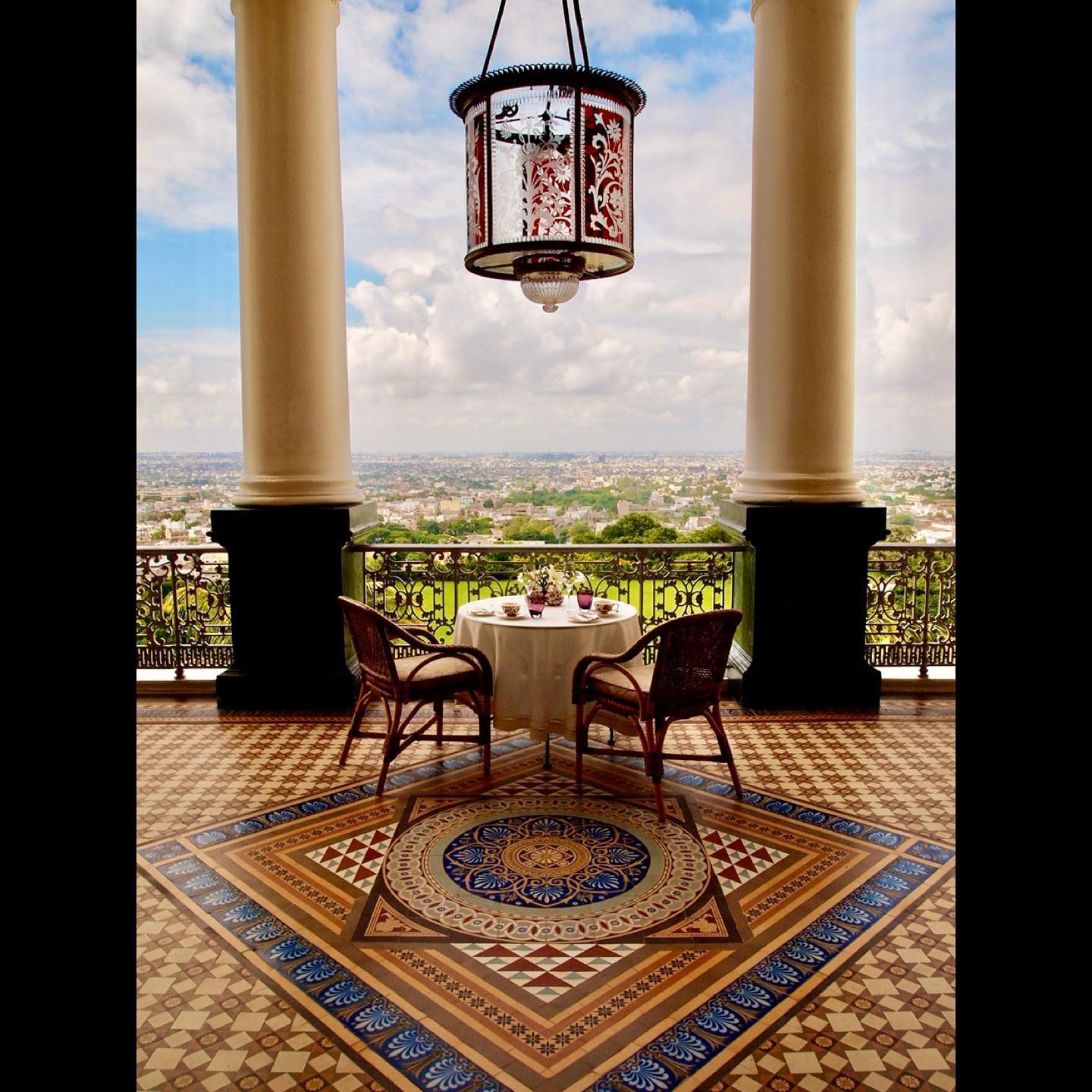
イタリア製のマジョリカ・タイルが欧州全域に広がったのは19世紀半ば。英国のヴィクトリアン・スタイルに取り入れられて世界各地で人気を博し、需要が高まった。当時は、欧州名窯のミントンやウェッジウッドもまた高品質のタイルを輸出していた。インドでは、ハイデラバードにあるファラクヌーマ・パレス(超おすすめ)のバルコニーに、ミントンのタイルが敷き詰められている。最後の写真(2012年撮影)がそれだ。
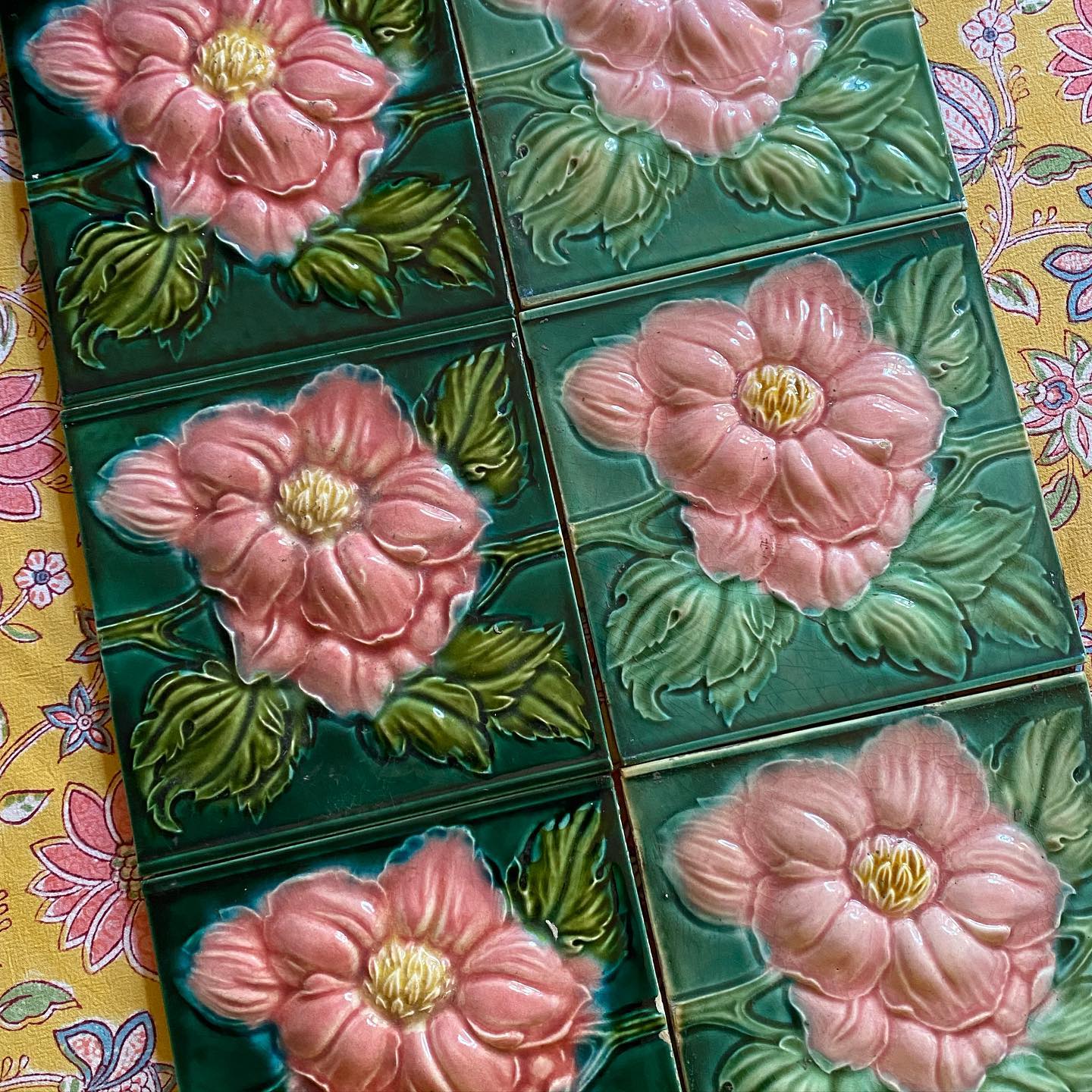
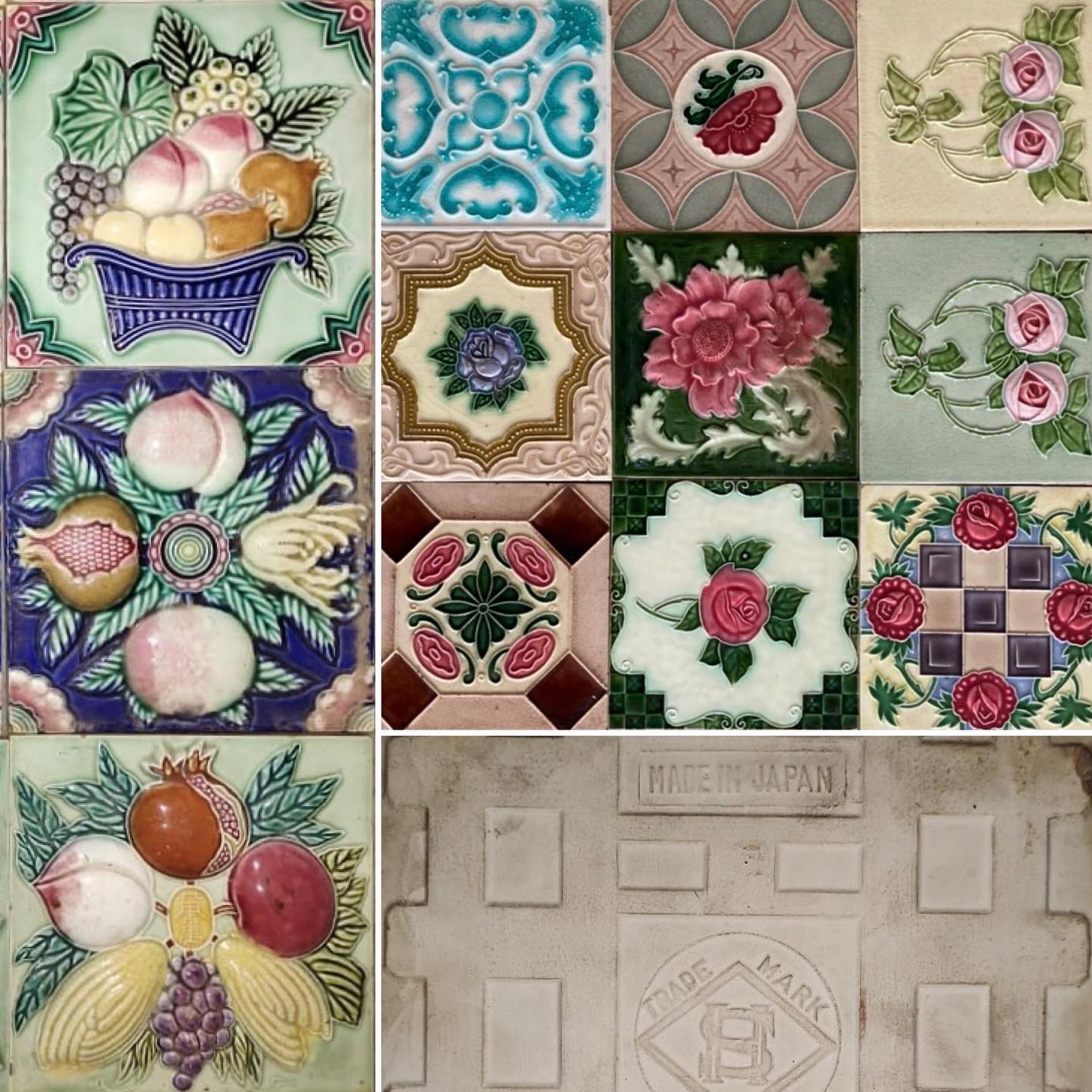
今回わたしが買い集めているのは、かつて日本で製造されていた「和製マジョリカ・タイル」。明治40年代(1907〜)、日本のタイル産業の礎を築いたとされる二人の青年、村瀬二郎麿(名古屋の不二見焼2代目)と、能勢敬三(淡路島の淡陶勤務)によって開発された。英国製タイルに着想を得つつも、廉価で流通しやすい製品は、欧風建築の流行に伴って人気を博したようだ。
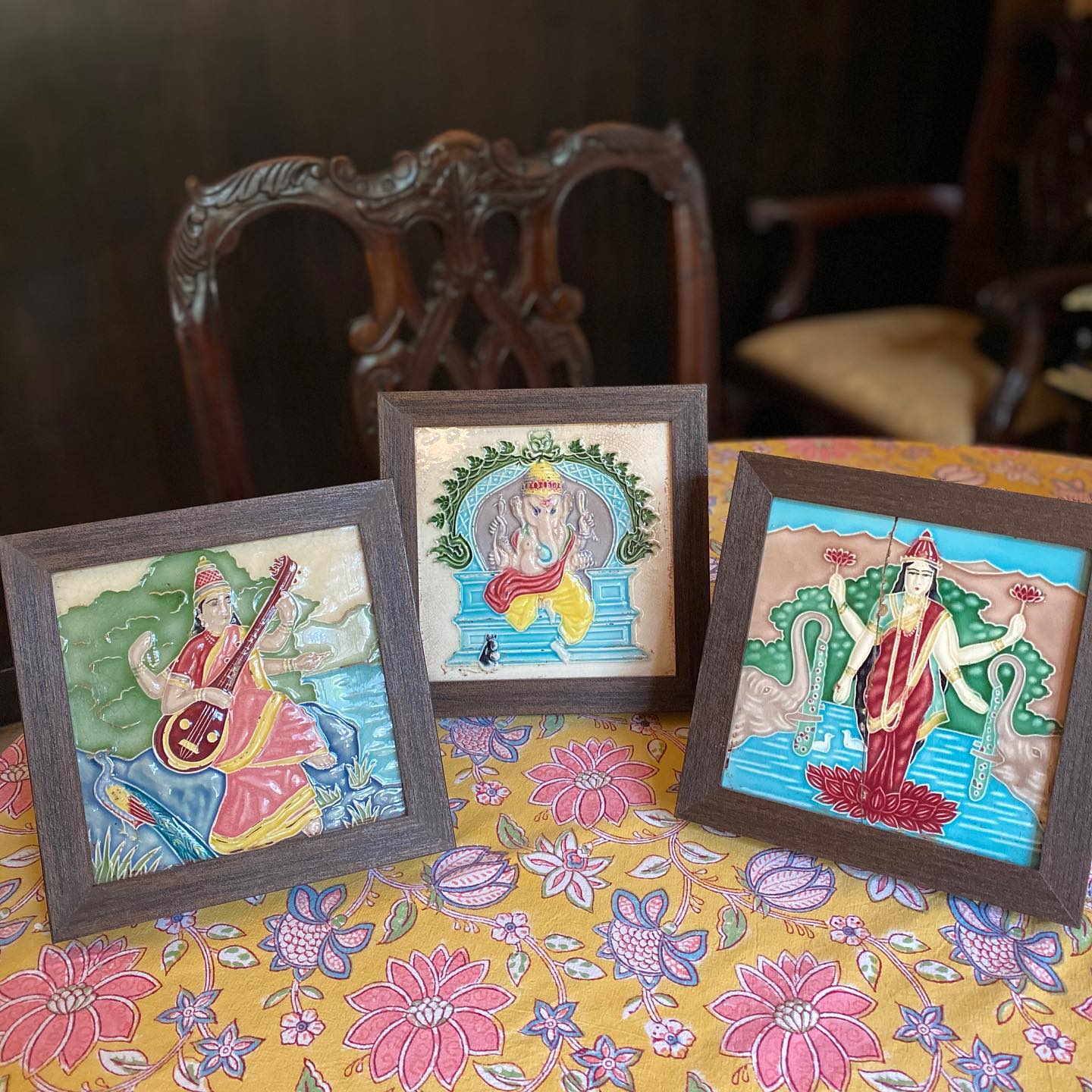
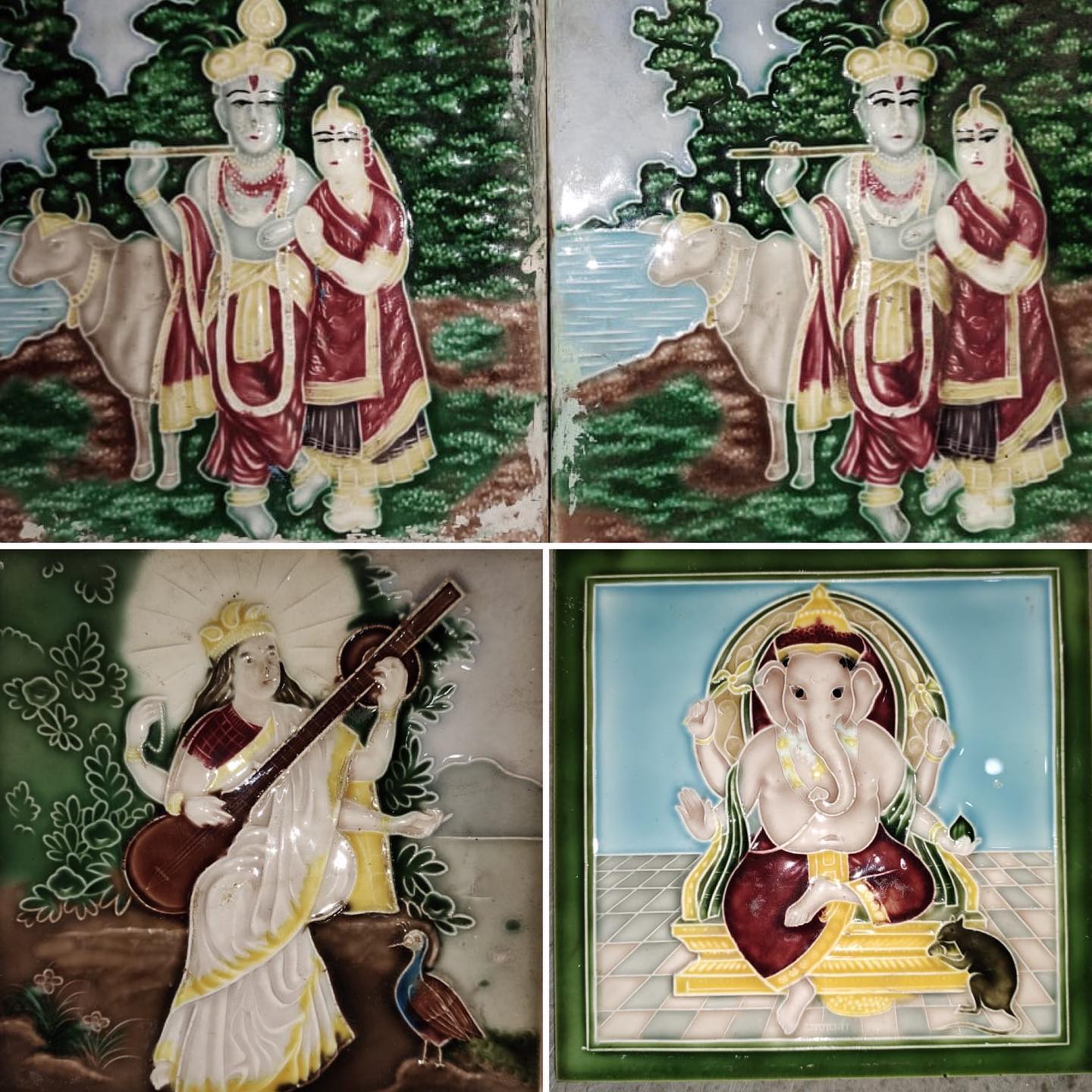
やがて日本でも、マジョリカ・タイルを作る会社が増え、東南アジア各国に向けて輸出が始まった。アールヌーヴォーの意匠に固執していた英国メーカーに比し、日本は対象国の好むデザインを導入。中華圏向けには吉祥果(果物)、インド向けにはヒンドゥー教の神々の姿が見られる。シンガポールでは、今でもマジョルカ・タイルが施された建築物が随所に残る。
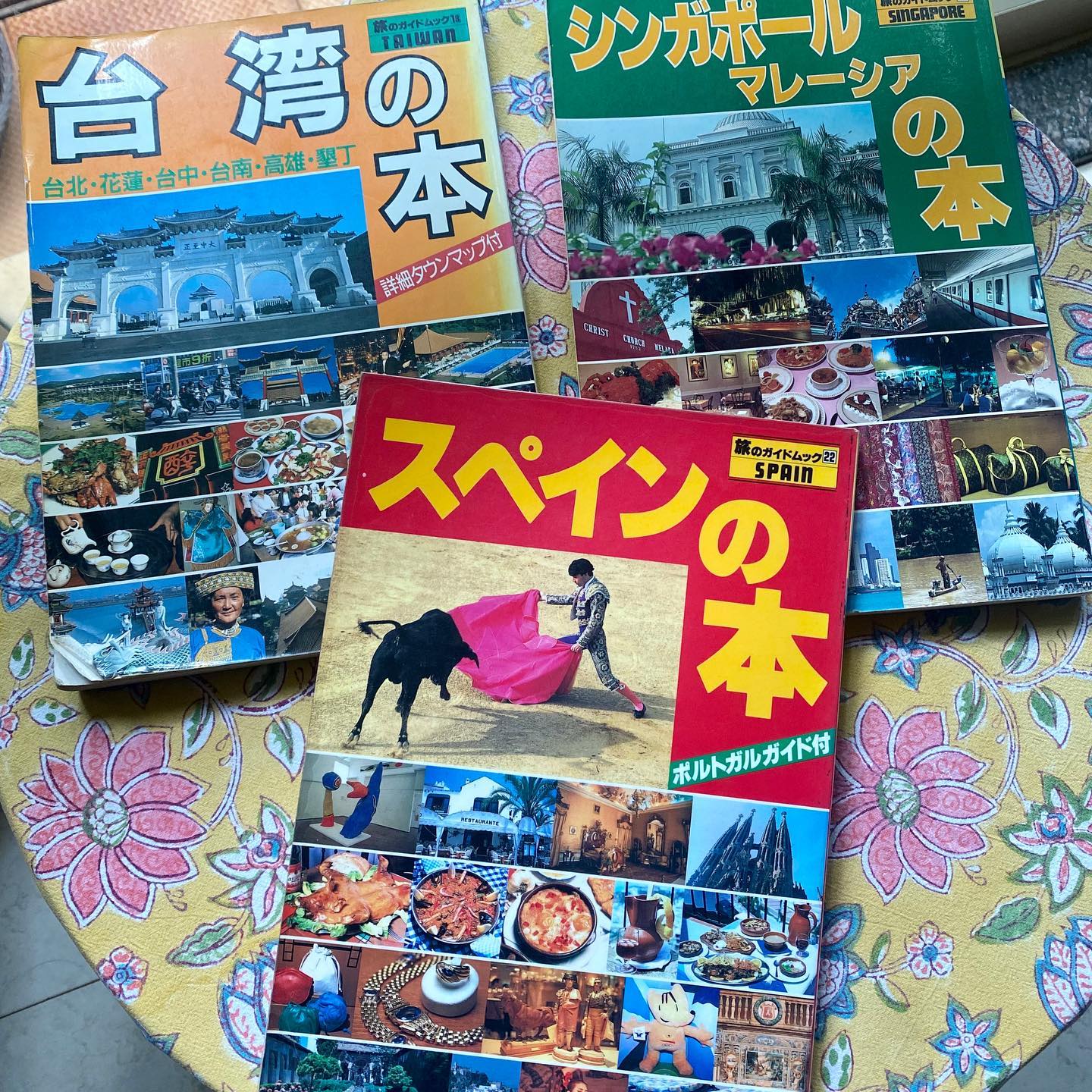
さて、大学卒業後のわたしは、近畿日本ツーリストの海外旅行ガイドブックを作る編集プロダクションに就職した。初めての取材先は台湾。1988年当時、台北の西門町界隈は、日本統治時代の面影が色濃く残っていた。今はなき西門市場。事務所には創業者の日本人の写真が掲げられ、裸電球が下がる薄暗い市場には、いいようのないノスタルジアを感じた。調べたところ、西門町には数年前「和製マジョリカ・タイル」の小さなミュージアムができているようだ。
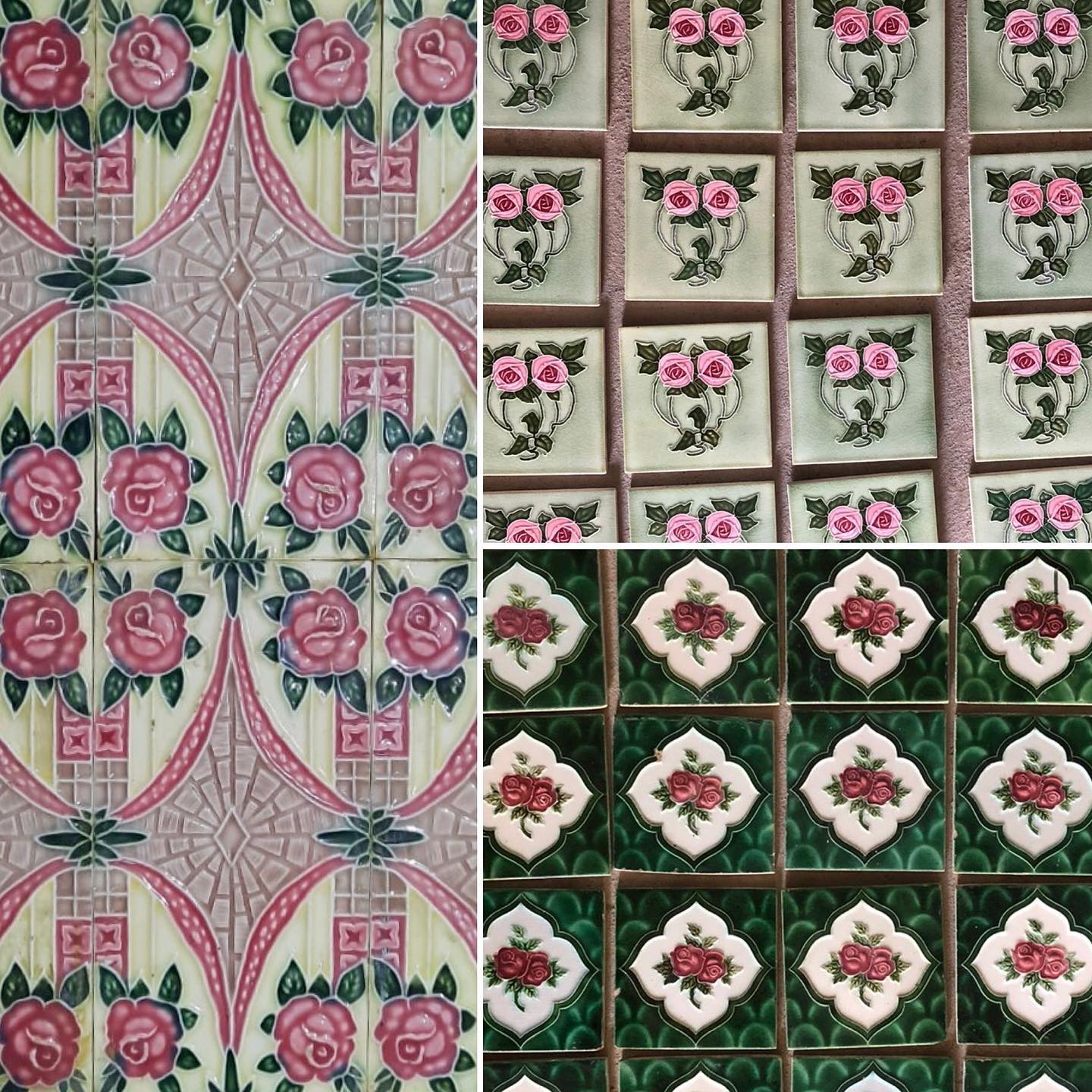
台湾に次ぐ取材先はシンガポールとマレーシア。ここでも日本統治時代の名残を随所に見た。マレー半島やインドネシアで見られる南洋建築に「プラナカン(ペラナカン)様式」というものがある。この建築に施されている通称「プラナカン・タイル」こそが、和製マジョリカ・タイル。1989年の取材当時は、日本製とは知る術もなく、なんてカラフルで美しいタイルだろうと思っていた。
ちなみにわたしが、この「和製マジョリカ・タイル」の背景を知ったのは、インド移住直後の約15年前。アンティークショップの店主に教わったのだった。
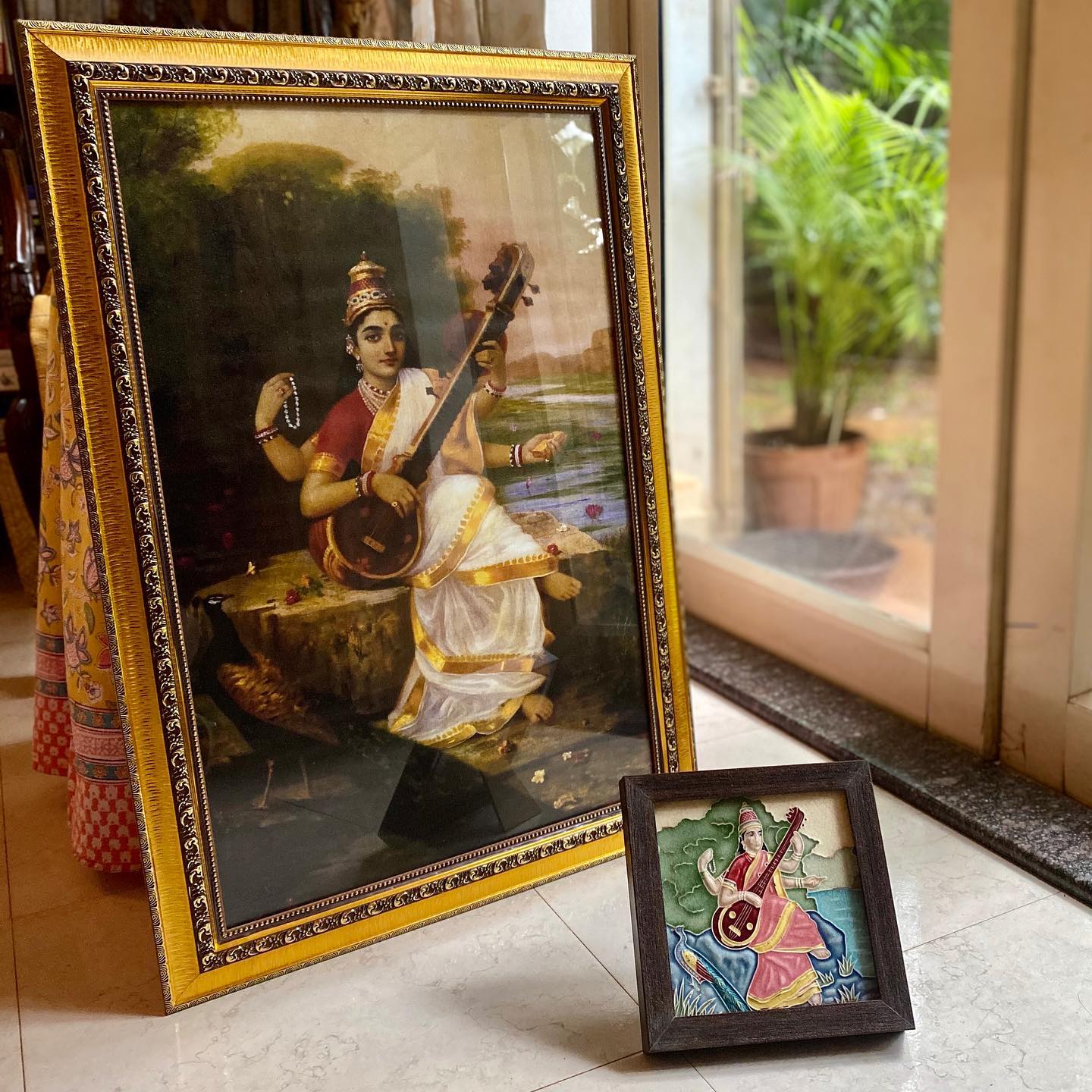
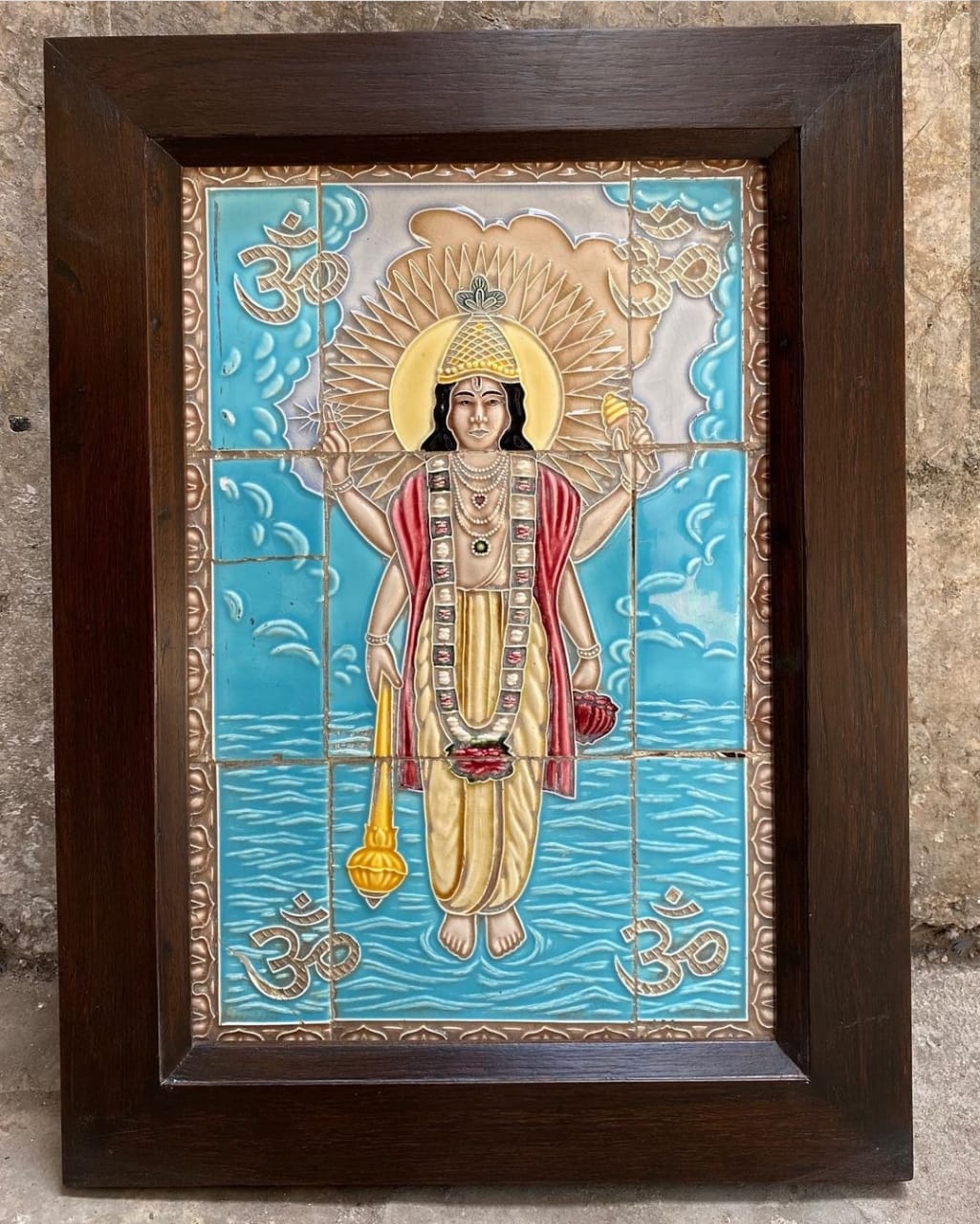
2枚目の写真。額装されたタイルは、先日、Vermilion Houseで購入したインドの神々。サラスワティ(弁財天の起源)に至っては、インドの有名な画家「ラジャ・ラヴィ・ヴァルマ」の作品を模倣してたことが見て取れる。
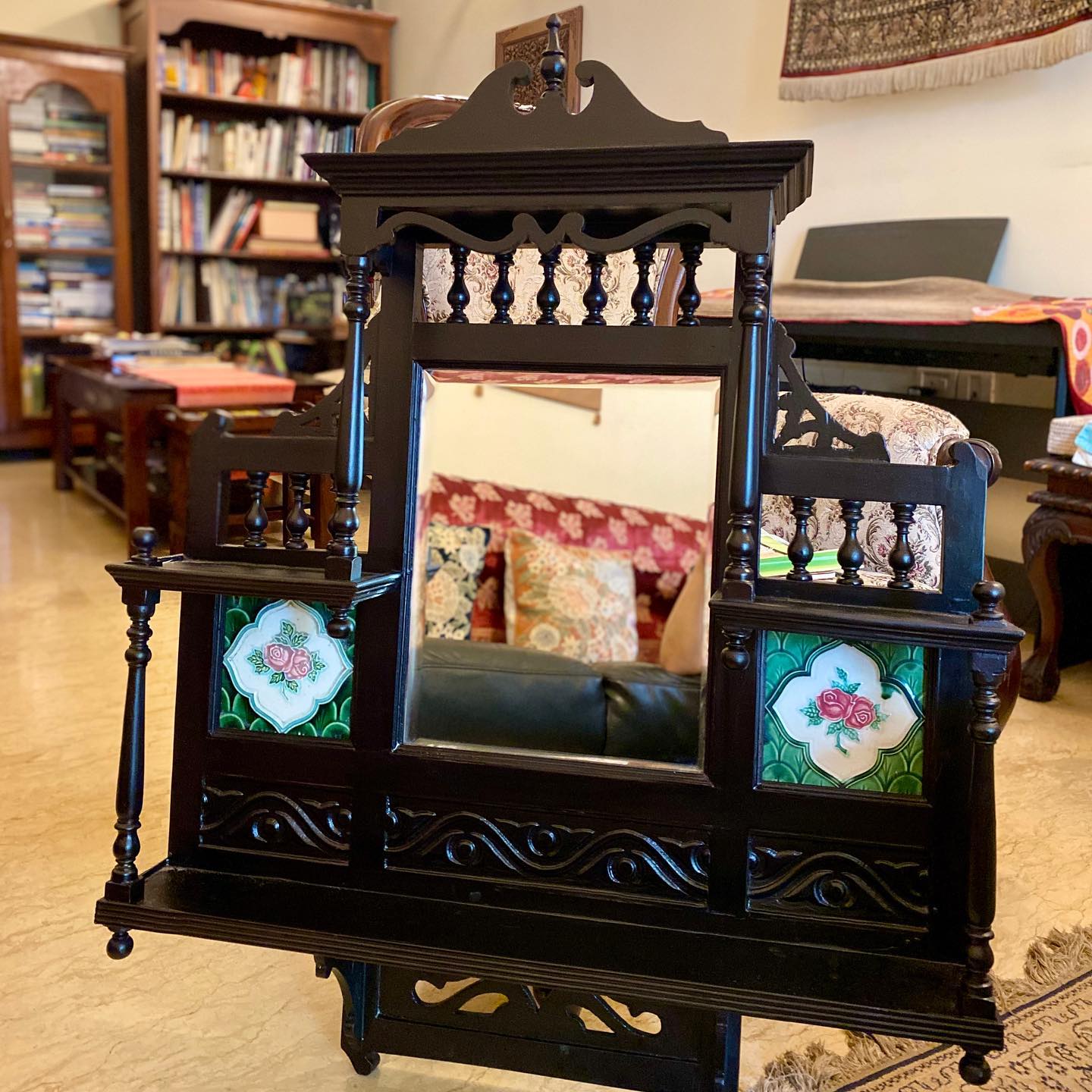
ところで先日、企業勤務の青年が趣味が高じて始めたというヴィンテージ家具ショップを友人に紹介された。1枚目の写真、鏡付き飾り棚とピンクの花(芍薬)のタイルは彼から購入した。アール・デコ様式の家具や、数々のマジョリカ・タイルを扱う卸店とのネットワークもあるらしく、毎日のようにWhatsAppで写真を送ってくれる。
今では新製品を作ることが困難なローズウッド(紫檀)をはじめ、チーク材などの重厚なソリッドウッド(天然木)など、コンディションのいい家具も少なくない。従来インドでは、古い家具を修繕して使うのが一般的だったが、昨今、若い世代のライフスタイルには合わないこともあり、古い家具はどんどん売りに出されているのだ。
なおムンバイは、かつてアール・デコ建築が大流行し、今でも随所にすばらしい建築物を見ることができる。ゆえにインド国産のアール・デコ家具も充実しているのだ。……とこの話を書き始めたら終わらない。
ともあれ、歴史を知ることの「大切さ」そして「おもしろさ」は、海外取材を通して痛いほど実感し、今日に至る。「和製マジョリカ・タイル」ひとつをとっても、ここでは到底書き尽くせぬ、まだまだ物語がある。
100年以上前に母国日本で作られたタイルを、インドの自宅に飾る。新居はそういう物語が溢れる場所となるだろう。一つ一つの物語を記録しておきたいと改めて思う。
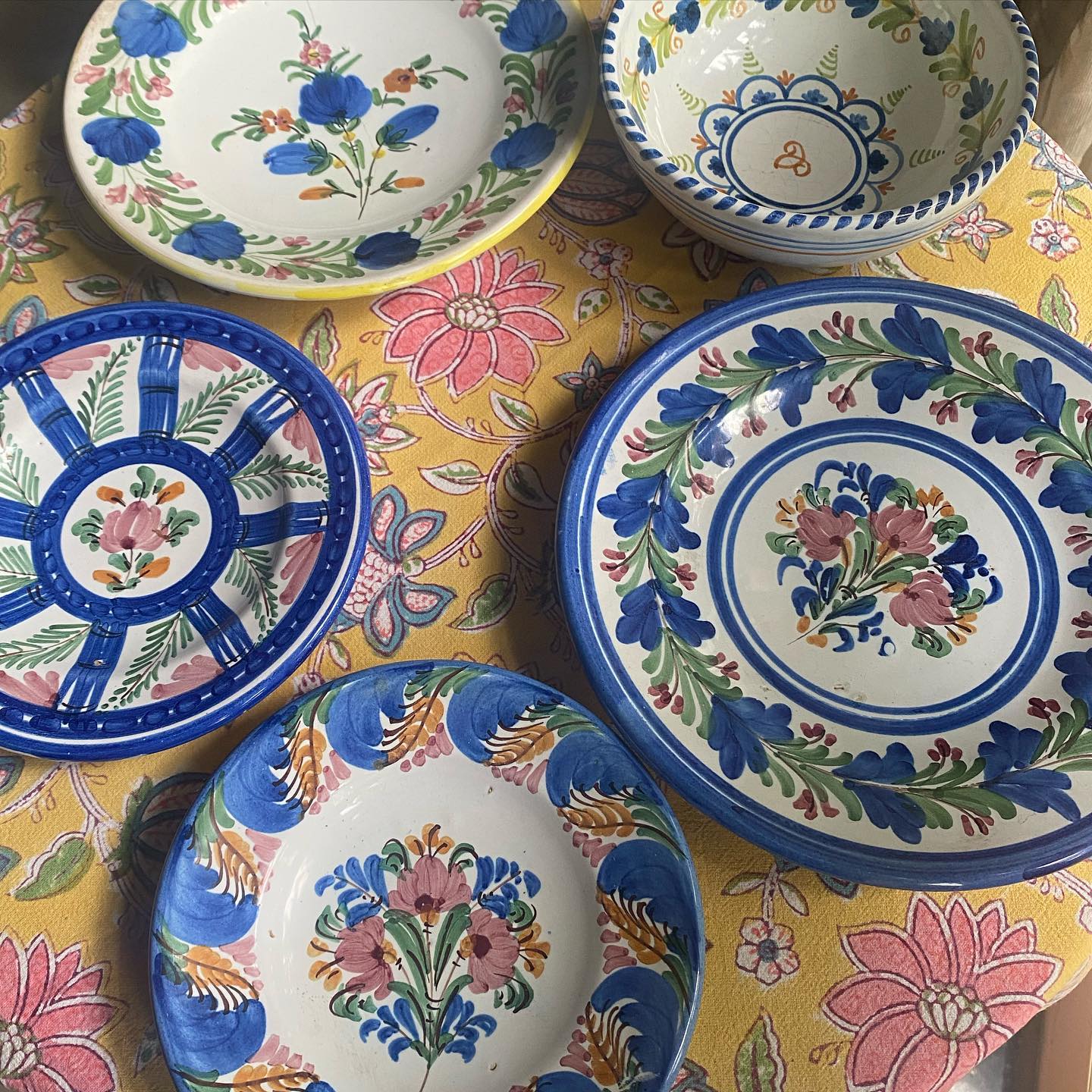
🇪🇸最後から2枚目の写真は、1989年のスペイン取材時にマドリードで購入したマヨルカ焼の食器。30年以上、元気です😸
Made in Japan🇯🇵 From Europe, India via Japan. Traveling majolica tiles.
Recently, I have been buying furniture for my new house little by little from several stores. Some are new, some are old. I try to choose furnitures that tell some stories.
Today, I would like to write about “Japanese majolica tiles,” which originated from majolica ware, a traditional Italian craft.
Majolica ware is a tin-glazed ceramic ware with a technique called “luster painting” found in Europe. Although the technique originated in Italy during the Renaissance, it is popularly known by the name of the Spanish island of Mallorca.
The Italian majolica tile spread throughout Europe in the mid-19th century. It was adopted by the Victorian style in England and became popular in many parts of the world, increasing the demand for it.
At that time, the famous European kilns Minton and Wedgwood were also exporting high quality tiles. In India, the balcony of the Falaknuma Palace in Hyderabad is covered with Minton tiles. The last photo (taken in 2012) shows this.
The tiles I am buying this time are “Japanese majolica tiles,” which were once manufactured in Japan.
It was developed around 1907 by two young men who are said to have laid the foundation for the tile industry in Japan. Inspired by British tiles, but inexpensive and easy to distribute, the product seems to have gained popularity along with the popularity of European-style architecture.
Eventually, they began to be exported to Southeast Asian countries. In contrast to the British manufacturers who stuck to Art Nouveau designs, the Japanese introduced designs favored by the target countries. For the Greater China region, the design featured auspicious fruits, and for India, Hindu gods. In Singapore, you can still find buildings with Majorcan tiles everywhere.
After graduating from university, I started working for a publishing company that produced overseas travel guidebooks. My first destination was Taiwan.
Back in 1988, the Ximending area of Taipei still had many vestiges of the Japanese colonial era. I found out that a small museum of “Japanese majolica tiles” had opened in Ximending a few years ago.
After Taiwan, I went on to Singapore and Malaysia. Here, too, I saw remnants of the Japanese colonial era everywhere. There is a type of South Seas architecture called “Pranakan style” that can be seen in the Malay Peninsula and Indonesia. The “Planakan tiles” used in this style of architecture are the Japanese Majolica tiles.
At the time of my visit in 1989, I had no way of knowing that the tiles were made in Japan, but I thought they were very colorful and beautiful.
Incidentally, I first learned about the background of Japanese majolica tiles about 15 years ago, right after I moved to India. I learned it from the owner of an antique shop.
The second photo. The framed tiles are the Indian gods that I bought the other day. One can see at a glance that Saraswati is an imitation of the work of the famous Indian painter Raja Ravi Varma.
Another shop owner sends me pictures of their tiles. It’s all very fascinating. The story of furniture and furnishings is also endless.
Tiles made in my home country of Japan over 100 years ago are displayed in my home in India. My new home will be a place full of such stories. Once again, I want to record each and every story.
🇪🇸The ninth photo shows a piece of Mallorca ware that I bought in Madrid when I went to Spain in 1989, and it is still going strong after more than 30 years😸
【関連情報/ぜひご覧ください】
🌺◉天空の鏡。ハイデラバードのファラクヌマ・パレスで過ごす週末(2012年9月)
◉Thus Far 《ラクミニの軌跡》王女であり、ラジャ・ラヴィ・ヴァルマの子孫でもある画家ラクミニ。時空を超えて、艶やかに豪奢に描かれた人々の姿……。
◉絵画を通して、神々の姿を具現化。遍く人々に版画で芸術の世界を広めた伝説のインド画家ラジャ・ラヴィ・ヴァルマの生涯
◉ヒンドゥー教の新年ディワリー。日本製タイルで作られた富と繁栄の女神ラクシュミーの話
 深海ライブラリ📕
コメントを残す