
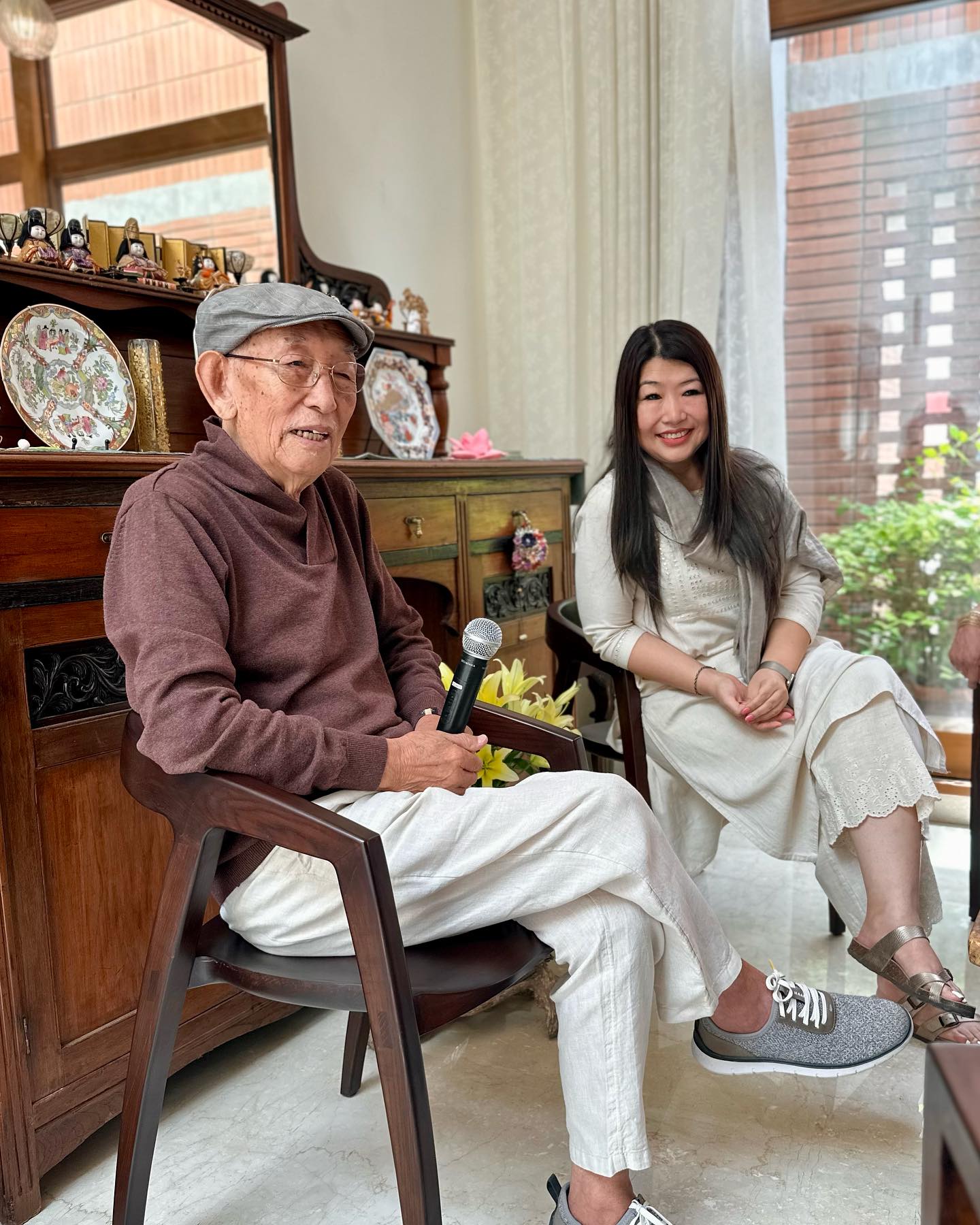
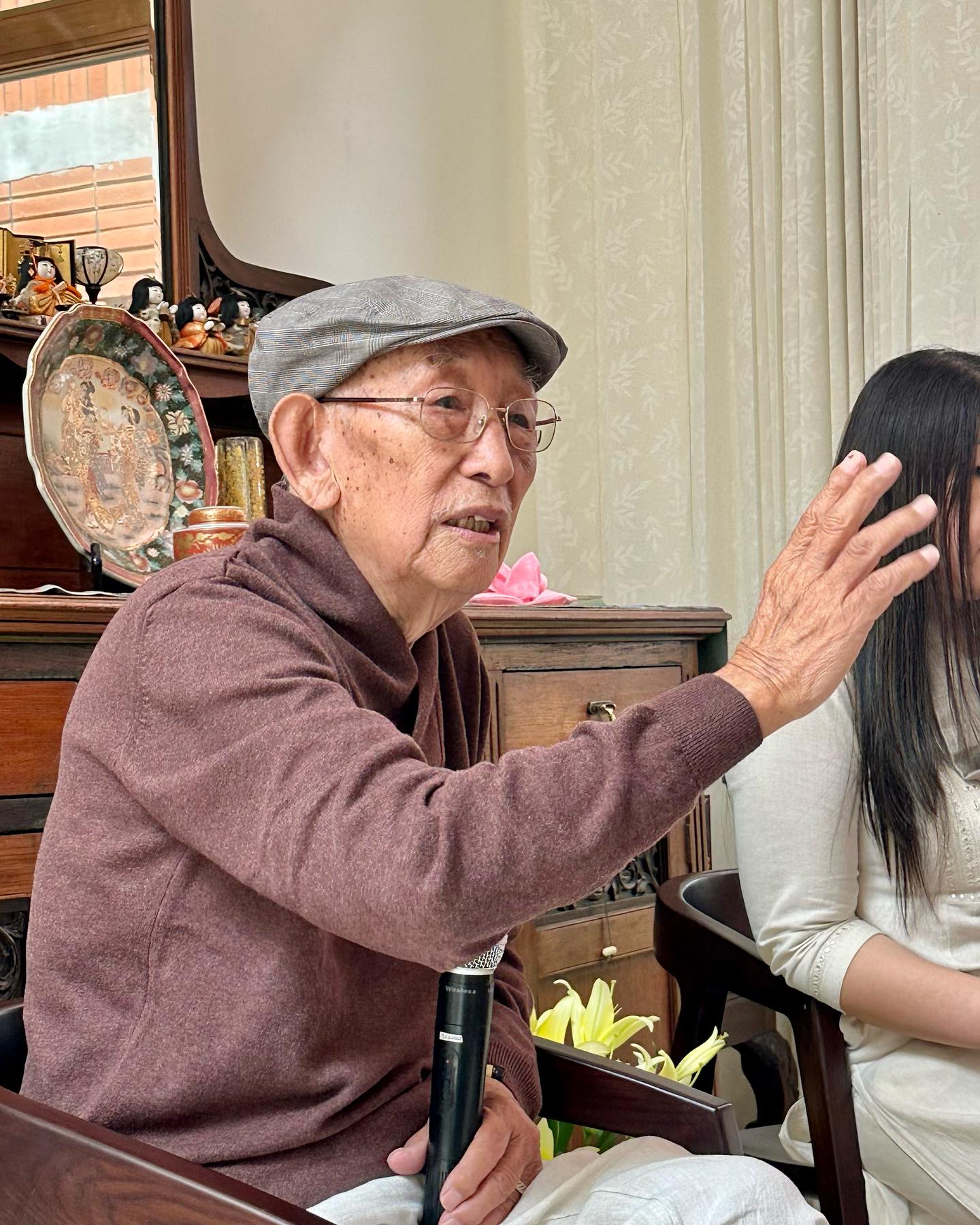
先日のデリー旅から戻った翌々日は、ほぼ毎週火曜日開かれている、わたしが所属する「女性の勉強会」の会合の日だった。この日は、わたしがお招きしたスピーカーに登壇していただくこともあり、ヤラハンカの新居を会場にして実施した。
以前から、個人的にお聞きしたかった、とても大切なテーマにつき、ゆっくりと記録を残したいと思いつつ……歳月は瞬く間に流れる。
スピーカーは、チベット系インド人である我が友人Dekyiと、その父君のT T Khangsarだ。
わたしがDekyiと出会ったのは2017年。夫同士はすでに知り合っていたが、わたしとDekyiがゆっくり言葉を交わしたのは、4人で日本料理を食べに行った時のことだった。わたしはそのとき、チベット系インド人であるDekyiのバックグラウンドを聞き、強い衝撃を受けた。
わたしが2019年、ダラムサラを訪れ、ダライ・ラマ法王14世にお会いすることができたのは、すべて彼らのおかげである。その旅記録も克明に残しているので、関心のある方はぜひ、下記リンク『深海ライブラリ』ブログをご覧いただければと思う。

Dekyiは、ここカルナータカ州のマイソールで生まれ、バンガロールに育った。しかし、チベットの貴族の家系に生まれた父T T Khangsarやその両親の物語は、波乱に満ちたものだった。中国によるチベット侵攻によって、彼らのライフは、他のチベット人と同様、翻弄された。
緑豊かで自然美にあふれるチベット東部のトンコール・カムで、貴族の家系に生まれたKhangsar。6歳でチベット仏教に身を捧げ、修道生活を始める。子ども時代の平和な暮らしは、しかし1959年の、中国によるチベットに侵攻で破壊される。Khangsarの家族は、高貴な身分だったことから、彼は父親を目の前で惨殺されるなどの悲劇に直面した。
その後、彼は残された家族と共に、14歳で祖国を脱出、危険な山々を越えてインド北部に避難した。インドのカリンポンで、ゲルク派のタントラ僧院大学を卒業した後、南インドのポンディシェリで哲学とサンスクリット語を研究。その後、オランダの大学に進み、MBAを取得した。当初は、大学レベルの科目はほとんど理解できなかったにもかかわらず、絶大なる努力の結果、優秀な成績で卒業。勉強だけでなく、ラグビーにも熱中し、心身ともに精力的で活発な青年だった。
1970年、彼はダライ・ラマ法王14世とチベット亡命政府により、インド政府との連絡役を任される。さらには、南インド最大のチベット人居住区「バイラクッペ(バイラクーペ)」の設立支援を命じられる。以降、彼は、チベット人コミュニティのために尽力し続けており、Dekyiもまた、父の偉業を受け継ぎながら、貢献活動を続けている。
🇮🇳
勉強会の日、上記の概要に沿いながら、Dekyiの補足説明と共に、父君が半生を語ってくださった。悲喜交々のエピソードの、ひとつひとつが、心に染み入る。いつも朗らかでやさしく、穏やかな笑顔で接してくださる父君に、改めて深い敬意を抱いた。
国家間の軋轢によって祖国を失った人の気持ちは、思いを馳せるに到底、理解が難しい。
インドの多様性と寛容と、個人の尽力の偉大な影響力などに思いつつ、書き残したいことは尽きぬ。以下、関連情報をシェアしたい。
【関連情報】
🙏ダライ・ラマ法王14世にお会いした2019年のダラムサラ紀行を紐解く(2021/12/03)
https://museindia.typepad.jp/library/2021/12/dharamsala.html
🙏遠く故国を離れて。南インド。チベットの人々が暮らす場所。(2010/6/9)
https://museindia.typepad.jp/library/2010/06/bylakuppe.html
🇺🇸[コチ=ムジリス・ビエンナーレ]CIAが関与した知られざるゲリラ戦。中国に寝返った米国。祖国奪還を目指して戦ったチベット人兵士たちの悲痛な末路……(2023/02/03)
https://museindia.typepad.jp/2023/2023/02/kochi13.html

Born into an aristocratic lineage of Tongkhor Kham, in the eastern region of Tibet, T T Khangsar was chosen for a spiritual path at the tender age of six. Devoting himself to Buddhist scriptures, he embarked on a monastic life in adherence to Tibetan tradition.
This peaceful existence was violently disrupted in 1959 when China invaded Tibet. Because of their noble status, Khangsar’s family faced dire consequences, including the brutal loss of his father. At the tender age of 14, Khangsar had to flee his homeland, undertaking a perilous journey through treacherous mountains to find refuge in northern India.
Here in India, Khangsar initially studied at Kalimpong and then graduated from the Gelugpa Tantric Monastic University before heading to Pondicherry, South India. He furthered his studies there, delving into philosophy and Sanskrit.
But Khangsar’s academic journey didn’t stop there. He moved to the Netherlands in 1968 to pursue an MBA at Nyenrode University. Despite starting with a limited understanding of college-level subjects, Khangsar’s relentless dedication led him to graduate with honors. Apart from academics, he also developed a love for rugby, demonstrating his vigor both on the field and in the classroom.
In 1970, Khangsar’s academic accomplishments led His Holiness the Dalai Lama and the Tibetan government-in-exile to personally invite him to assist in liaising with the Indian government. His task was to help set up the largest Tibetan settlements in South India, a critical mission that Khangsar undertook with commitment. With his international degree and deep-rooted determination, this resilient scholar from a Tibetan aristocratic family committed himself to serve his community and contribute positively to their future.
 深海ライブラリ📕
コメントを残す