So we dream on, inventing our lives; a little lost sister, a saintly mother, a hero father. But our dreams escape us however vividly we imagine them. There’s only one thing you can do, keep passing the open windows.
“The Hotel New Hampshire” John Irving
人生は、おとぎばなし!
それでも僕らは夢を見て、人生を創り続ける。
この世を去った小さな妹、気高い母、勇敢な父……。
彼らをどれほど鮮やかに思い浮かべても、夢は僕らから逃げていく。
僕らができる唯一のこと。
それは開いている窓を見過ごし、歩き続けることだ。
(窓から飛び降りるんじゃない)
『ホテル・ニューハンプシャー』ジョン・アーヴィング *訳/坂田マルハン美穂
Queenの “Keep Passing The Open Windows”は、この『ホテル・ニューハンプシャー』にインスパイアされて作られたのたどいうことを知った。いろいろと繋がる。
“Keep Passing the Open Windows” is The Works’s seventh track, and was written by Mercury in 1983 for the film The Hotel New Hampshire, based on the novel by John Irving. The phrase is mentioned on a number of occasions throughout the film and was, according to the opening credits, also co-produced by the band’s manager Jim Beach, who changed it in order to suit the album mood better. Mercury played piano and synths and wrote the lyrics after reading the quote in the book.
●活動に際してのチーム構成
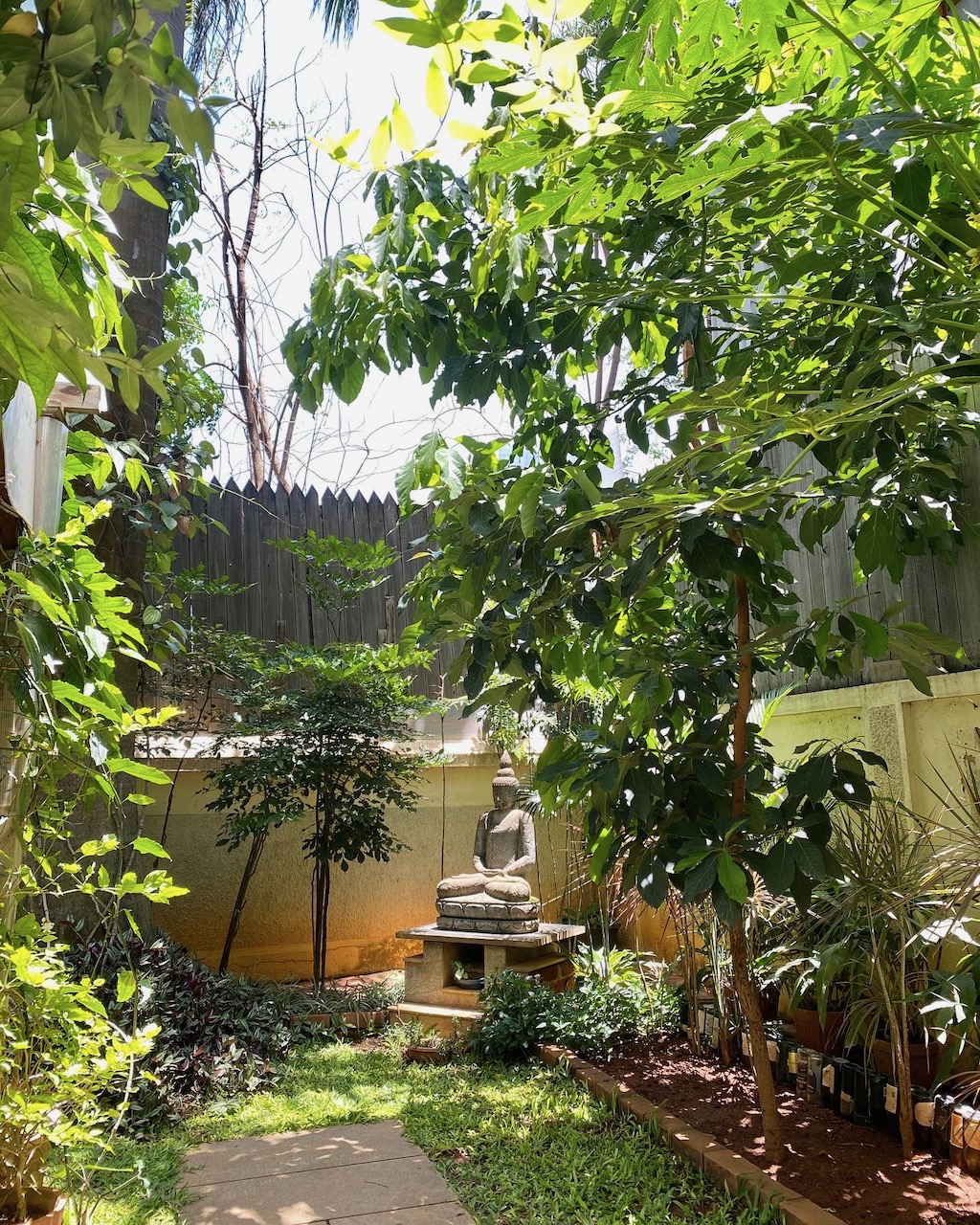
メンバーが、各々の得意分野を生かした活動ができるよう、チームにわかれて活動しています。兼部や転部も可能。毎週金曜日、「ステュディオ・ミューズ STUDIO MUSE」と称されたオープンハウス(バンガロール市内コックスタウン)で活動します。メンバーは自由に出入りし、それぞれに交流を深めつつ、自らのペースで、音楽、創作活動に携わります。
🌻Gaining a new perspective through creativity and volunteering.
(Article for OWC “The Rangoli” July, 2018)
After living in the U.S. for ten years, I moved to Bangalore with my husband in November 2005. Until I started to live in India, I had spent my life building my own business career in Tokyo and New York, and was not very active in volunteer activities. However, as soon as I settled in Bangalore, I couldn’t ignore the poverty that can be seen all around the city. I felt that I should do something to make a difference, but I could not immediately think of what specifically to do.
In November 2007, I attended OWC’s Monthly Speaker Meeting. The speaker was Pastor Dr. Reuben, who runs a home, “Agape Children Centre” in Bangalore. His story about the lives of street children, stone-breakers (quarry workers), and eunuchs (hijra) was truly shocking for me. I felt that I should contribute for people who are living in extreme and deprived environments. One of the suggestions that Dr. Reuben gave us, was to not give cash to beggars. He said that it would be better to give food or clothes, instead of money. Since then, I have made it a practice to buy a lot of small packets of biscuits for beggars, and always keep some in our car.
In the next month, I visited “Agape Children Centre” alone, and met their children. My purpose was to write a visit record for a Japanese newspaper, but in reality, I was very nervous and it needed courage to go there. It was an eye opening experience to communicate with Pastor Reuben’s family and the girls, who were once street children, living under one roof as a big family.
Around that time, when I was driving around the city, a bus stopped in front of our car, while we waiting for a signal. My eyes caught a sentence written on the back of the bus.
“Feeding a hungry child is not charity. It’s our social responsibility.”
It was one of the buses of Akshaya Patra, which runs the world’s largest school lunch program with the aim of ending child hunger in India. That sentence triggered me to action.
Immediately after, I started to hold a “Charity Tea Party” at home, every few months. I invited Japanese expats’ wives to my home and held seminars, and shared useful information about living in India. I collected a seminar fee and donated items from participants, and visited local charities to donate them. This activity continued about five years, and was the foundation for the creation of Muse Creation.
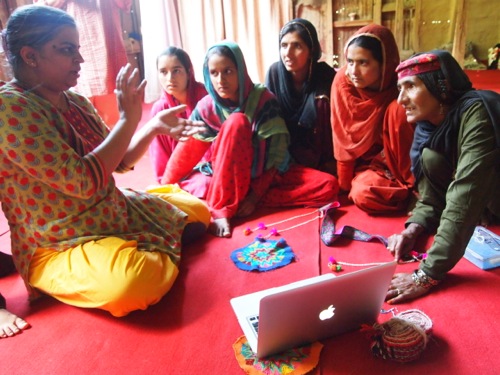
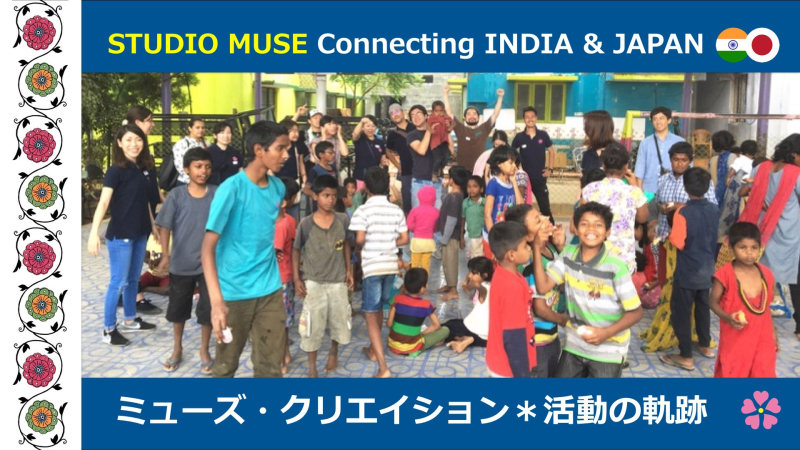
I founded Muse Creation, a volunteer NGO, in June 2012. Muse Creation brings together the collective creative talent of our Japanese community in Bangalore. We have set up three teams: Team Handicrafts, Muse Choir & Dancers, and Team Expats (which focuses on familiarizing Japanese expats with the work and living culture of India). Through these creative activities, we wish to bring awareness, and to communicate with local underprivileged people.
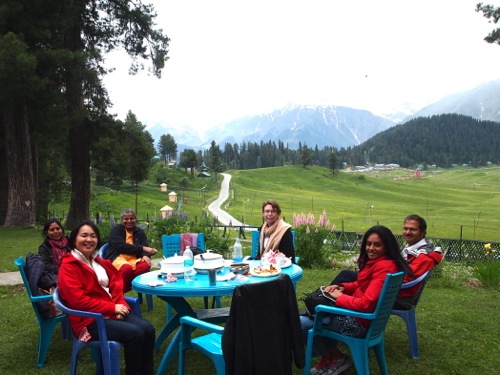
Every Friday, I hold a workshop, called “Studio Muse” at home. Members get together for a creativity and social skills workshop. At the same time, it is a place to exchange information to help lead a better life in India, a place to build a social network, and a place to help each other in an unfamiliar living environment.
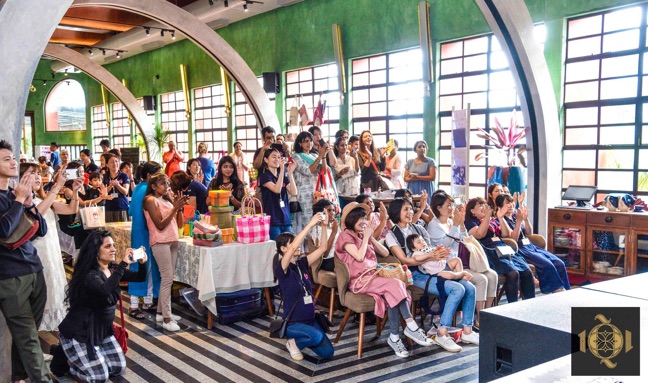
Muse Creation organizes annual charity bazaars, and participates in other community bazaars, including OWC’s Christmas bazaar. All the proceeds from the sales of our products are donated to various charitable organizations in Bangalore. Visiting them to communicate with local people, is a valuable experience for our members. We also organize various activities like handicraft workshops, local shopping tours, experiential lunches (for instance, lunches where members wear saris), business seminars, etc.
Members of Muse Creation always number 40 or more at any given point, and members enrolled in the past six years exceed 180 people cumulatively. There are quite a few members who challenge new activities that they have never experienced in Japan, such as learning handicrafts, dancing, and chorus music. These experiences enrich their lives in India.
Last year, when I went back to Japan, we held the fifth anniversary of Muse Creation in Tokyo and Nagoya with our alumni members. I met with over 50 past members at that time. Everyone told me that the activities of Muse Creation were an important part of their lives in Bangalore. The comments were a source of happiness and motivation for me.
It is not easy to bring together many people over a long period, to act in unison. However, what can be collectively experienced and achieved in Muse Creation, can never be realized alone. I sincerely hope that Muse Creation will continue to be an effective and impactful group through the active efforts of our members.














 深海ライブラリ📕